The frost crunches heavily under your boots as you lean against the cold metal of the sideline rail, nursing a black coffee that went cold ten minutes ago. Out on the pitch, twenty-two kids hurl themselves into the ruck with a terrifying lack of hesitation. You hear the sharp clatter of plastic cleats on hard earth, the heavy, muffled thud of shoulders meeting ribs, and you catch yourself holding your breath just a little bit longer than you used to. It is the raw reality of weekend rugby.
It is the nature of the sport to be unapologetically rough, but the way we protect them is quietly undergoing a massive transformation right before your eyes. You probably expected to see more foam, thicker synthetic scrum caps, or heavier, bulky padding wrapped around their temples. After all, that is what the industry has fed us for decades: bigger armor for bigger hits.
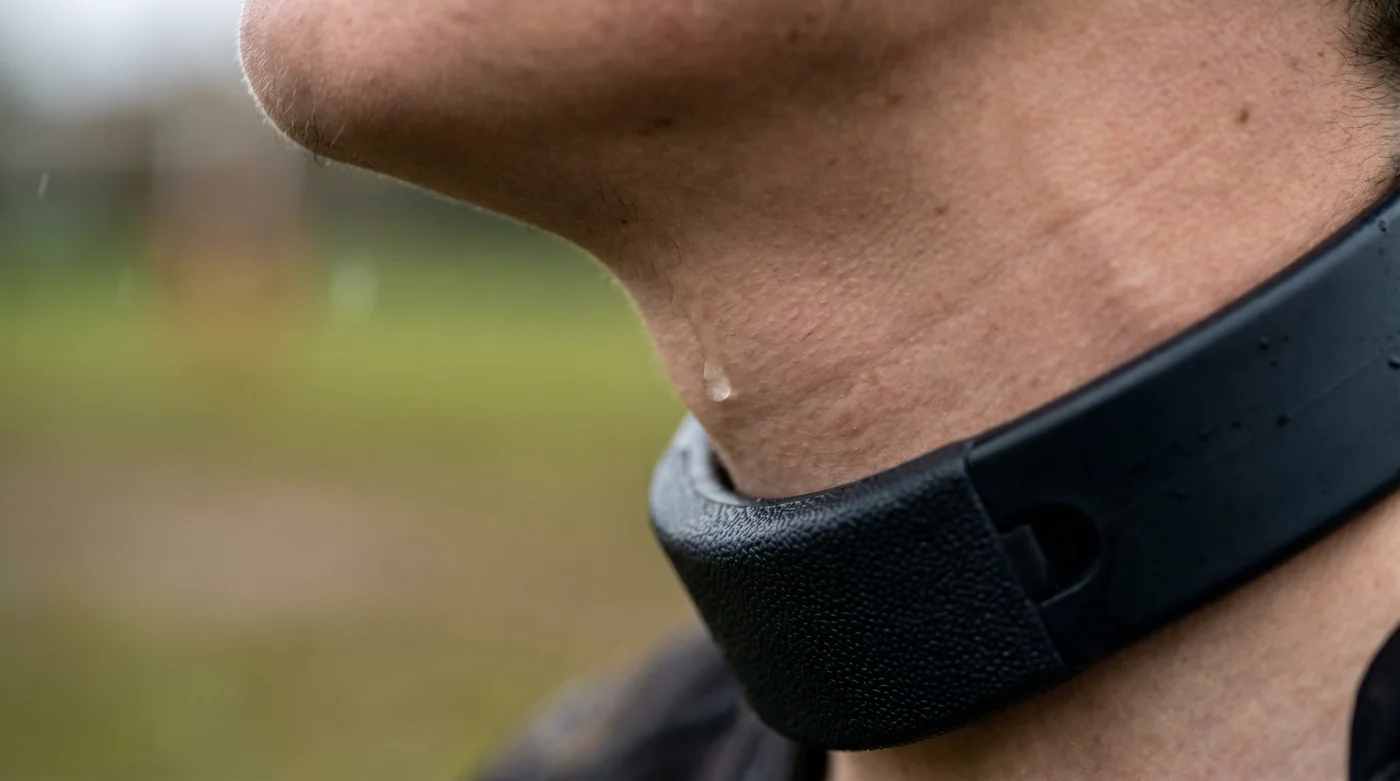
Instead, you notice something entirely subtle snapping securely around the back of their necks. This small piece of gear, resembling a lightweight, rubberized horseshoe, represents a massive professional pivot in how major athletic organizations view and handle impact trauma. It is an unassuming piece of equipment, completely devoid of heavy straps or thick padding, yet it is actively changing the landscape of youth sports.
For decades, we approached athletic protection by simply adding more external cushion to the outside of the fragile skull, completely ignoring that the real damage happens inside. We treated the visible symptoms of a violent collision rather than respecting the internal physics of it. We engineered helmets to stop cuts, entirely missing the invisible shockwaves echoing through the fluid of the brain.
The Bubble Wrap Myth
Think of the human brain as a delicate, raw egg floating freely inside a sealed glass jar filled with water. If you aggressively shake that jar, wrapping the outside of the hard glass in layers of thick, industrial bubble wrap does absolutely nothing to save the egg. The egg still violently slams against the hard interior walls. Traditional padded helmets operate on the exact same flawed logic; they reliably stop scalp lacerations and superficial bruises, but they fail entirely to stop brain slosh upon impact.
This realization has forced athletic communities to radically pivot, creating a fundamental shift in safety standards overnight. The focus has entirely shifted away from heavy exterior armor and strictly toward internal physiological stabilization. Leagues that once mandated thick foam are now issuing new directives based purely on fluid dynamics.
- Massage Guns Fail Unless Used With Active Muscle Tension
- Knee Braces Surge As Turf Injuries Plague Professional Leagues
- Foam Rollers Worsen Knee Band Inflammation When Used Horizontally
- Electrolyte Powders Waste Money Without Precise Sodium Potassium Ratios
- Playbook Wristbands Simplify Complex Audible Chains For Amateur Quarterbacks
By slightly applying targeted pressure to the jugular veins, these new concussion collars intentionally slow the drain of blood from the head back to the heart by a microscopic, heavily measured amount. It sounds inherently alarming at first, but it is precisely the same natural, biological mechanism your body effortlessly uses when you yawn, lie flat on the floor, or sing a sustained note.
This safely trapped volume acts exactly like filling that glass jar to the absolute brim. With no empty space left inside, the fragile egg cannot build dangerous momentum. The brain simply cannot slosh against the unforgiving skull. A mundane, easily overlooked detail like a few extra milliliters of blood volume is suddenly revealed as the most profound biological advantage an athlete can actively possess.
Dr. Julianne Mercer, a 44-year-old clinical neurotrauma specialist who spent a grueling decade working alongside professional rugby leagues in Europe, explains this shift over a quiet cup of tea in her brightly lit lab. "We spent years pouring millions into trying to invent better foam," she says, tracing the ceramic rim of her mug with a tired smile. "But the foam was just an apology for the collision. The collar doesn’t apologize. It uses the athlete’s own physiology to create a biological airbag. We completely stopped trying to engineer the helmet and started engineering the blood flow."
Navigating the New Standard
As these concussion collars become firmly mandated gear across fiercely competitive youth leagues, understanding exactly how to seamlessly integrate them is crucial. It is entirely normal, and expected, to feel a bit hesitant when officially replacing a highly familiar piece of equipment with something that looks completely foreign.
For the Skeptical Parent
You are likely wondering if intentionally compressing a neck vein is genuinely safe for an exhausted child running at full tilt for sixty minutes. The actual pressure applied is incredibly mild, directly comparable to wearing a snug necktie or a closely fitted dress shirt. There is absolutely no restriction of vital oxygen, breathing capacity, or airway clearance. The medical focus here is strictly on venous return, creating a gentle, pooling backfill that safely cushions the delicate gray matter from within.
It immensely helps to logically frame this transition not as a frightening loss of exterior protection, but as a massive physiological defensive upgrade. The thick foam scrum cap is rapidly becoming a relic of a bygone era; the compression collar is a highly precise, biologically targeted medical intervention.
For the Transitioning Player
Young athletes are historically creatures of stubborn habit. If your child has worn a tightly strapped padded cap since they were eight years old, the sudden, breezy exposure to the wind in their hair might initially make them feel psychologically vulnerable. Reassure them that the collar rests comfortably low on the neck, completely out of the way of their crucial peripheral vision and entirely separate from their natural, aggressive range of motion.
Tell them to immediately focus on the physical lightness and newfound agility. Without heavy foam trapping heat, they will quickly find themselves sweating significantly less and visually tracking the ball much faster. The total lack of restrictive bulk gracefully becomes an immediate, tangible tactical advantage on the pitch during late-game exhaustion.
Fitting the Biological Airbag
Successfully transitioning to this new mandatory physiological standard strictly requires a few highly specific, mindful steps. This is decidedly not a cheap piece of plastic gear you can simply rip out of the cardboard box and blindly throw onto the chaotic field.
A perfectly precise fit is the razor-thin difference between a minor physical annoyance and a true biological physiological shield. You genuinely want to approach this setup process with the exact same meticulous care you would use when boiling and molding a custom protective mouthguard.
- Measure the neck circumference precisely at the prominent point of the Adam’s apple using a soft, flexible tailor’s tape. Do not pull the tape tight; let it gently rest flush against the bare skin.
- Select the exact size directly based on the specific manufacturer’s sizing chart. Do not foolishly size up hoping they will eventually grow into it next season. A slightly loose collar provides zero venous back-pressure.
- Test the initial placement. The open ends of the collar should sit squarely at the front of the throat, cleanly wrapping firmly and securely around the back of the neck.
- Have the player actively perform a full range of violent rugby motions: firing a pass, snapping a look over their shoulder, and heavily dropping into a low scrum posture.
The sideline check is your absolute final tactical toolkit before the highly anticipated game officially begins. Right before the referee blows the starting whistle, calmly pull your player aside and quietly run a quick, mandatory fifteen-second physical audit.
The collar should lightly, yet firmly, compress the fleshy sides of the neck without shifting or sliding when the player nods aggressively. If the curved collar easily spins freely around the throat or rests lazily down on the bony collarbones, you must recalibrate the size immediately before allowing them to play.
Beyond the Final Whistle
Replacing familiar, traditionally padded helmets with sleek jugular vein compression devices might initially feel like foolishly stepping into the pages of a science fiction novel. But the very first moment you breathlessly watch your kid violently dust themselves off after taking a truly massive, high-speed hit, acting completely unfazed and clear-headed, the underlying medical logic permanently solidifies.
We are finally, intelligently treating the fragile human athlete’s body as a brilliant, self-sustaining ecosystem rather than a disposable crash test dummy. By embracing this critical internal shift, you are thankfully no longer just crossing your fingers and blindly hoping the synthetic foam does its intended job.
This massive evolution in mandatory youth athletic gear ultimately gives you something incredibly rare and precious on the cold sidelines of a high-impact contact sport: a wonderfully quiet mind. You can finally stop painfully wincing at every single echoing tackle and truly start watching the beautiful game they so fiercely love.
"The best protective gear doesn’t just block an impact; it fundamentally changes the environment where the impact occurs."
| Key Point | Detail | Added Value for the Reader |
|---|---|---|
| The Mechanism | Mild jugular compression increases intracranial blood volume. | Prevents internal brain slosh rather than just surface bruising. |
| Heat Retention | Removes the need for full-coverage foam headgear. | Allows the body to naturally vent heat, significantly delaying fatigue. |
| Sizing Accuracy | Requires exact measurement at the front of the neck. | Ensures the protective physiology is active without restricting breathing. |
Frequently Asked Questions
Does the collar restrict breathing or oxygen flow?
Not at all. The collar uniquely targets the superficial jugular veins, completely ignoring the deep carotid arteries or the rigid trachea. It acts strictly on the returning blood, never the vital oxygen going to the brain or lungs.Can they still wear a scrum cap with the collar?
Yes, they can comfortably wear both, though many youth leagues are realizing the cap is largely redundant for deep brain protection. The cap can still functionally prevent painful cauliflower ear and minor surface cuts.Is the collar uncomfortable during a long match?
Most young players report entirely forgetting they have it on within the very first five minutes of live play. It smoothly moves with the neck and does not bounce during aggressive running.Will this completely prevent a concussion?
No physical device can ever offer a completely flawless guarantee. However, mitigating the primary cause of trauma—violent internal slosh—drastically reduces the severity and frequency of the injury.How do I wash and maintain the collar?
Simply wipe it down with a standard antibacterial cloth after a muddy practice and let it naturally air dry. Do not toss it into a high-heat washing machine or dryer, as extreme heat can permanently warp the flexible internal spine.