The late July sun bakes the local track into a shimmering, 90-degree skillet. You finish your final sprint, chest heaving, lungs burning, and immediately reach into your cooler for that familiar plastic bottle of neon blue liquid. The condensation drips over your knuckles. You are exhausted, your muscles are vibrating with residual tension, and your mouth feels like it is stuffed with dry cotton.
You expect instant physical salvation. The marketing told you this was the absolute thirst quencher, the secret weapon of champions. So you tip it back, flooding your dry mouth with a sticky, synthetic sweetness.
But an hour later, something feels entirely wrong. Your legs feel like lead, a dull throb settles behind your eyes, and your stomach sloshes with every step. The bright sports drink did not revive you; it left you hollowed out, a ghost of your own endurance. You might notice a sharp, sudden tightening in your left calf, pulling taut like a guitar string about to snap. You try to stretch it out, pressing your weight against the hot chain-link fence, but the muscle refuses to yield.
What you experienced is cellular dilution. Most commercial electrolyte powders and bottled drinks act less like professional recovery tools and more like flavored water, lacking the intense mineral density your physical system actually craves.
The Mathematics of Sweat
Think of your bloodstream as a highly calibrated internal ocean. When you sweat, you aren’t just losing water; you are bleeding out an exact ratio of sodium and potassium. This fluid isn’t just water; it is a conductive gel that allows your brain to send electrical impulses to your muscles. When those minerals drop, the communication line begins to fray.
Pouring a standard drink into this depleted system is like trying to fix a complex chemical spill with a garden hose. These conventional formulas prioritize taste over science, pumping you full of simple carbohydrates while offering a pitiful fraction of the sodium you just left on the pavement.
The result is a dangerous physiological trick. The heavy influx of low-mineral fluid actually dilutes your remaining blood sodium levels during heavy sweating. Your cells, desperate for a specific osmotic balance, begin to panic. The water moves out of your bloodstream and swells into your tissues, looking for the minerals that no longer exist in your veins.
This is the hidden trigger behind cellular cramping. It isn’t a lack of stretching or a sign of weak muscles. It is a fundamental miscalculation of your internal mineral ratio.
Marcus Lin, a 38-year-old endurance coach and sports physiologist based in humid Austin, Texas, sees this crash daily. He watches amateur athletes stumble across finish lines coated in a visible white crust of dried salt, clutching bottles of pale, sugary water. ‘They treat hydration like an act of volume, not an act of chemistry,’ Lin notes. His baseline intervention never involves an expensive, brightly colored powder. Instead, he shifts his clients toward concentrated sea salt mixtures, matching the exact milligram-per-liter loss occurring in their bodies. It transforms their performance overnight, turning agonizing cramps into sustained, effortless power.
- Playbook Wristbands Simplify Complex Audible Chains For Amateur Quarterbacks
- Pine Tar Sticks Around Because Batters Hate Synthetic Grips
- Grip Socks Provide The Footing Needed For Explosive Cuts
- Carbon Fiber Plates Actually Increase Achilles Tendon Rupture Risks
- Resistance Bands Fix Rotator Cuff Strain In Ten Minutes
Dialing In Your Mineral Ratios
Not every workout demands the same biochemical response. To stop wasting your money and start fueling your physiology, you must match the intake to the specific nature of your exertion.
For the Mid-Summer Grinder
If you are running miles in 85-degree heat or grinding through a heavy outdoor training session, you are a high-output sweater. Your primary focus must be sodium replacement. A pinch of trace-mineral sea salt in water, combined with a precise dose of potassium chloride, overrides the cellular panic that causes your calves to seize up.
For the Indoor Weightlifter
Working out in an air-conditioned gym for forty-five minutes creates a different metabolic tax. You do not need heavy sodium dumps here. A micro-dose of a properly balanced powder, focusing slightly more on potassium and magnesium to support muscular contraction, will keep your nervous system firing cleanly without bloating your stomach. You want the subtle electrical charge without the heavy fluid retention, keeping your joints feeling light and responsive through your deadlifts and squats.
For the Morning Fasted Athlete
Waking up and moving before breakfast means your body has already depleted some of its hydration stores overnight. Rehydrating with plain water signals your kidneys to flush out whatever minerals remain. A concentrated, zero-sugar mineral blend acts as a biochemical anchor, holding the water in your tissues where it belongs.
The Pitch-Side Protocol
Transitioning away from commercial sugar-water requires a slight shift in your daily preparation. It relies on mindful measurement, recognizing that a fraction of a teaspoon can alter your entire afternoon of physical exertion.
Start by discarding the notion that your drink needs to taste like candy. The goal is a subtle, slightly saline profile that your body instinctively recognizes as medicine.
Building your tactical toolkit takes less than three minutes at your kitchen counter. You will need a reliable scale, high-quality salts, and a basic understanding of your own sweat rate. You do not need a laboratory. You just need intention and a quiet moment before the chaos of your workout begins.
Follow these steps to build a concentrated cellular defense against cramping:
- Measure out exactly 1,000 milligrams of sodium (roughly a half-teaspoon of fine Celtic or Himalayan sea salt) for high-intensity days.
- Add 200 milligrams of potassium (often found as a raw potassium chloride powder).
- Include 60 milligrams of magnesium malate to support smooth muscle relaxation.
- Dissolve this mixture into 24 to 32 ounces of room-temperature water.
- Drink half of the solution thirty minutes before your session, sipping the rest naturally as your thirst dictates.
The Quiet Confidence of Cellular Balance
Fixing your hydration strategy does more than just banish the sudden agony of a calf cramp. It rewires your relationship with fatigue.
When your blood volume remains stable and your sodium-potassium ratios hold firm against the stress of heat and exertion, your mind stays remarkably clear. The lingering brain fog that usually clouds your drive home from the gym simply vanishes.
You stop fighting your own biology and start cooperating with it. You realize that true endurance isn’t about pushing through agonizing physical barriers constructed by bad nutrition. It is about removing the friction entirely. You will notice the subtle shifts first—the way your hands no longer shake after a hard run, the way your heart rate recovers in minutes rather than hours, the way you wake up the next morning feeling resilient instead of shattered.
By respecting the delicate mathematics of your body’s internal ocean, you give yourself the greatest athletic advantage possible: a system that simply refuses to quit.
Professional endurance isn’t measured by how much fluid you can stomach, but by the exact mineral precision of what you absorb.
| Key Point | Detail | Added Value for the Reader |
|---|---|---|
| Blood Sodium Dilution | Standard sports drinks contain low sodium and high water volume. | Prevents you from worsening dehydration by accidentally flushing out your remaining electrolytes. |
| Precise Mineral Ratios | The 5:1 sodium to potassium ratio is an ideal baseline for heavy sweaters. | Provides a foolproof mathematical template to mix your own hydration formulas at home. |
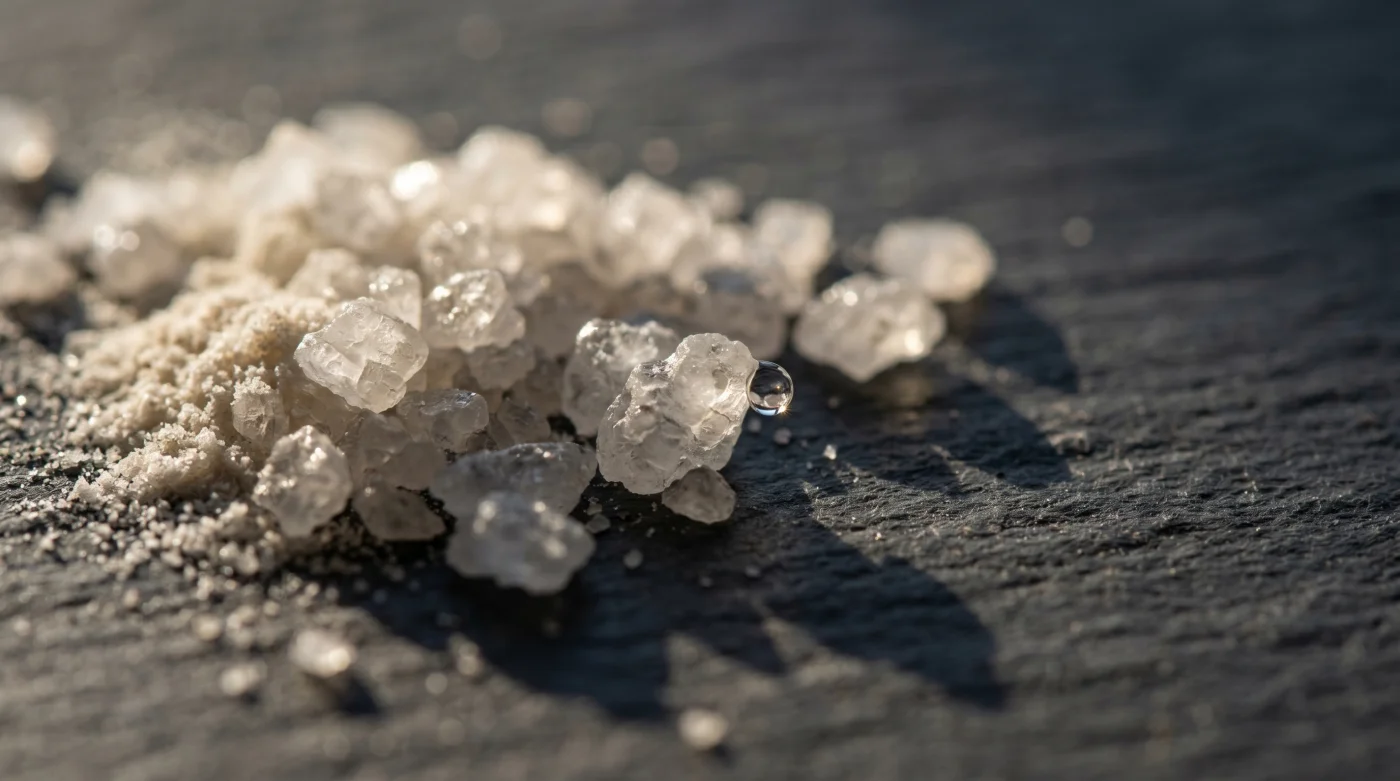
| Concentrated Sea Salt | Celtic and Himalayan salts carry trace minerals that synthetic powders lack. | Ensures deeper cellular hydration and stops sudden, agonizing muscle cramps mid-workout. |
Hydration Science FAQ
Are commercial electrolyte powders always a waste of money?
Not always, but mostly. If a powder contains less than 500 milligrams of sodium per serving and lists sugar as the first ingredient, it operates more as a flavored treat than a professional hydration tool.
Why do I get stomach cramps from standard sports drinks?
The high concentration of simple sugars combined with heavily diluted sodium forces your gut to pull water from your bloodstream to digest the fluid, creating that heavy, sloshing sensation.
Can I just drink a gallon of plain water every day?
Drinking massive volumes of plain water without matching mineral intake actively dilutes your blood serum levels, which can lead to fatigue, headaches, and in extreme cases, dangerous hyponatremia.
How do I know if I am a heavy sweater?
Look at your dark workout clothes after they dry. If you see distinct, white powdery rings around the collar or chest, you are losing a high volume of salt and require an aggressive sodium replacement strategy.
Is table salt as good as Celtic sea salt for hydration?
Table salt is heavily processed and stripped of supportive trace minerals like magnesium and calcium. Unrefined sea salts offer a more complete profile that your cells absorb with far less biological effort.